Did Sasanians Remember the Achaemenids… or Should They Have?


(Any unauthorised quotations, copying, or use of the following is strictly prohibited)

The scholarly debate on whether the Sasanians, particularly the early Sasanians like Ardashir I, had any memory of the Achaemenids is as old as the modern study of Sasanian history itself. The grandfather of Sasanian history, Theodor Nöldeke opined that the Sasanians had not preserved any memory of Alexander themselves and all of their memory was borrowed from the Greeks and Romans. He invoked the evidence that the title Hrōmāīg “The Roman,” commonly used for Alexander in Pahlavi texts, is evidence that the Sasanians knew Alexander through the historiography of their rivals to the west.

The debate has raged ever since and has been the concern of almost all scholars who have studied the Sasanians or the early Islamic preservation of their memory in sources such as al-Tabari and even the great Shahnama of Ferdowsi. In a sense, the debate goes far beyond whether the Sasanians (even if we can think of them as a single unit) had any memories of the Achaemenids. The real question is: where are the Achaemenids in Iranian historiography? Where is Cyrus? Where is Darius? Where is Xerxes? Why are there no remains of these grand ancestors in medieval Islamic or Iranian historiography (with rare exceptions, of course, see below for al-Biruni)?

Scholars such as Ehsan Yarshater, A. Shapur Shahbazi, Josef Wiesehöfer, Touraj Daryaee, Rahim Shayegan, Matthew Canepa, Gregor Schoeler, and many others have written about this question in the past 100 years. Their opinions sometimes differ widely (from “there was no Achaemenid memory in the Sasanian period” of Yarshater to “Sasanians used visual culture techniques to harken back to Achaemenid authority” of Canepa) and sometimes are compromising (“mediated memory” of Shayegan or “memory replacement” of Daryaee). Almost all of these, perhaps except Yarshater at some places, accept the basic question that the Sasanians should have kept some memory of the Achaemenids. This assumption is largely based on the fact that, after all, the Sasanians – “the New Persian Empire” of George Rawlinson (1876) – hailed from the same region that the Achaemenids came from, namely the region of Persis or Pars. As scholars have noted, and Canepa (“Technologies of memory in early Sasanian Iran: Achaemenid sites and Sasanian Identity,” 2010: 563-596) has well explored it, Sasanians appear to have purposefully used Achaemenid sites such as Naqsh-e Rostam to legitimise their rule and claim authority. The same appeal to visual memory is also made by Shahbazi (“Early Sasanians’ Claim to Achaemenid Heritage.” 2001: 65), noting the presence of small engravings/graffiti of Ardashir I and probably his father Pabag and his brother Shapur, on the doorjamb of the so-called Harem/Treasury of Xerxes in Persepolis: if they carved ontheir walls, they were claiming their dignity? Surely no one can assume that there was not a claim to a manner of Achaemenid heritage, even if mediated through the Graeco-Roman sources (M. Rahim Shayegan, Arsacids and Sasanians: Political Ideology in Post-Hellenistic and Late Antique Persia, 2011: 30-38 and elsewhere).

In my opinion, this argument is at best a form of geographical determinism, arguing that as the Sasanians came from the same region that the Achaemenids did, they ought to have seen the physical remains of their rule, realised the extent of their empire, and aspired to their greatness. This assumes that by observing signs of their local presence, somehow the knowledge of Achaemenid territorial expanse and imperial control would have become available to the Sasanians as well. For lack of a better term, this is a form of pars pro toto (pun intended…) where the Sasanians are expected to adopt an Achaemenid imperial claim, the way for example the Roman historian Herodian claims they did, simply by realising that they hail from the same region as the Achaemenids:


The entire continent opposite Europe, separated from it by the Aegean Sea and the Propontic Gulf, and the region called Asia he wished to recover for the Persian empire. Believing these regions to be his by inheritance, he declared that all the countries in that area, including Ionia and Caria, had been ruled by Persian governors, beginning with Cyrus, who first made the Median empire Persian, and ending with Darius, the last of the Persian monarchs, whose kingdom was seized by Alexander the Great. He asserted that it was therefore proper for him to recover for the Persians the kingdom which they had formerly possessed.” (Herodian 6.2.2)”

To me, this sounds like overreach, if anything. Early Sasanian rule in fact shows that the earliest Sasanian Kings of Kings, Ardashir and his son Shapur I and grandson Hormizd I – unlike their glorious Achamenid predecessors – stayed safely put in their home province of Persis. There does not seem to be much of an attempt at moving the centre of their rule to Iraq/Mesopotamia, as the Achaemenids had partially done, or claiming centres of Achaemenid rule in Susa or Babylonia. Ardashir ruled from his new capiral in Ardashir-Khurra/Firuzabad in southern Persis, and Shapur went through great trouble to build his imperial city of Bishapur, even after he had defeated the three Roman emperors in Iraq. Persis/Pars seems to have very much stayed a centre of authority and control, a microcosm of Sasanian empire.

There are also no use of other Achaemenid places of authority outside Persis/Pars (Darius’ great inscription in Behistun; the Achaemenid palaces in Susa) to demonstrate such connections. The inscription of Shapur Sakanshah in Persepolis, which belongs to the first century of Sasanian rule, simply mentions the great Achaemenid palace complex as Sadstūn “(hall of) Hundred Columns” and provides prayers to gods, without making the slightest mention of those who had built such an awesome monument. More importantly, despite what Herodian says, the great trilingual inscription of Shapur I himself (ŠKZ), following his defeat of three Roman emperors, says nothing of such claims. In it, Shapur offers praises and devotes fires to many of his ancestors, including his father Ardashir, his grandfather Pabag, and his eponymous ancestor Sasan. Shapur is not known to be a modest person, a fact that if not obvious from ŠKZ, should be glaring from his description of his own archery, from Hajiabad, next to Stakhr in Persis:


The bow shot of mine, the Mazda-worshipping lord Šāpūr, king of kings of Ērān and Anērān, who has lineage of the gods, the son of Mazda-worshipping lord Ardaxšīr, king of kings of the Iranians, who has the lineage of the gods, grandson of the lord, Pābag the King. When we shot this arrow it was before the rulers and the princes of the blood and the grandees and the nobility. We entered this valley and we shot an arrow beyond that marker, but that place where the arrow was shot, there where the arrow set, in that place the marker was placed, it would not be visible from the outside! Thus, we ordered that the marker be placed further up (on the cliff?), so whoever is strong shot, setting foot in this valley, let them shoot an arrow towards that marker, then whoever sets the arrow on that marker, they maybe said to be a Strong Shot! (Shapur, Hajiabad Inscription; author’s translation)

The king’s challenge makes one thing clear: that he cares about his ancestors, particularly those who have ruled in the place where he is leisurely shooting arrows (as Pabag had done). It is wholly devoid of any mention of more glorious local ancestors. The fact that ŠKZ is written in Greek (the Roman language), Parthian (the imperial language of the Arsacid ancestors), and Middle Persian (the newly rising imperial language of the Sasanians) further shows that for the early Sasanians, Persis/Pars was the centre of their power and a microcosm of their empire.

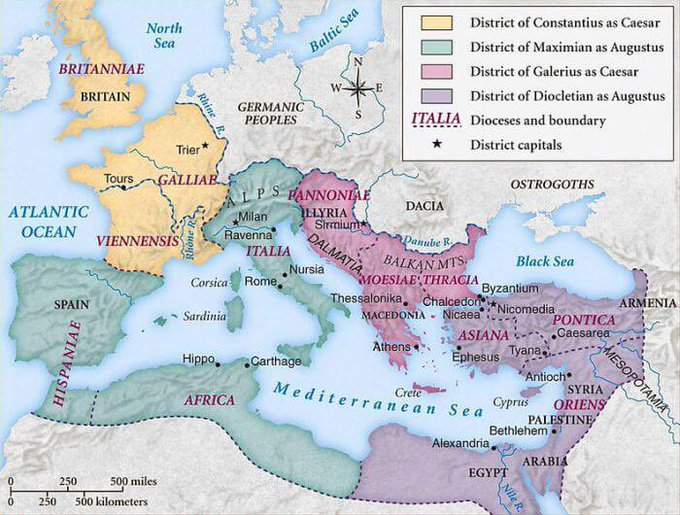
It seems, from his inscription at Paikuli, that the centre of Sasanian power only moved to Asurestan (Sasanian Iraq) and the city of Ctesiphon, when Narseh (293-303), Shapur’s son and fifth successor, defeated his rival, Wahram III (Sakānšāh) near the plain of Sulaimaniyya in today’s Iraqi Kurdistan. Ctesiphon, having been established by the Arsacids as their capital next to the Seleucid city of Seleucia on the Tigris, thus had a symbolic meaning for the Sasanians as claimants to the authority of the Arsacids. Of course, the wisdom of the move was probably questioned when the area was soon attacked by Galerius, the Caesar (second-in-command) of Diocletian, and the household of Narseh temporarily carried off to Roman territories. A later attack by Emperor Julian the Apostate in 363 was soundly defeated by Narseh’s grandson, Shapur II, who had a memorial relief carved showing him standing on the corpse of Julian. This was placed in Taq-e Bostan, a few kilometers west of Behistun, where Darius’ great inscription had been placed 800 years earlier. Yet, there is no reference to the great inscription in Shapur’s relief, or any of the reliefs that came to dominate the site of Taq-e Bostan.

Apart from just not seeing the geographical argument (that the Persis/Pars region by itself should have provided a link between the Achaemenids and the Sasanians) I also find it perplexing why we expect such knowledge at all. Why should the Sasanians have known about the Achaemenids? Or perhaps, more challengingly: why don’t we expect them to have known of the Elamites? After all, sites such as Naqsh-e Rostam, where “technologies of memory” are expected to have reminded the Sasanians of their Achaemenid predecessors, also contain images of the Elamite rulers who preceded the Achaemenids (see Ursula Seidl, Die elamischen Felsenreliefs von Kurangun und Naqs-e Rustam, 1986). So, why are we not wondering about the preservation of the knowledge of the Elamites in the early Sasanian period?

Well, simply put, the reason is because we expect the Achaemenids to have been fabulously famous and well known because they are mentioned in sources that 19 century European historians (eg. Rawlinson and Nöldeke) would have cared about, namely the Graeco-Roman and Christian (ie. Biblical) sources. It is noteworthy also that in fact, historians such as Nöldeke aren’t even concerned with whether the Sasanians remembered the Achaemenids at all. They are more interested in how they had preserved the knowledge Alexander, which Nöldeke strongly posits comes from the Pseu-Callisthenes’s Greek Alexander Romance. The important issue was thus the knowledge of Alexander, the chosen forerunner of Europeans, and the reconfirmation of the accuracy of such knowledge. The discovery of Cyrus’ Cylinder in 1879, in the same year that Nöldeke published his translation and commentary on the Sasanian section of al-Tabari’s History, further highlights this. The discovery proved one thing: that the great king Cyrus mentioned in the Bible was real and he really did invade Babylon and set many captives (including Jews) free, thus confirming the Biblical narrative. The question that was posed was then really this: how is it that native Iranian narratives are not mentioning the dynasties and historical “big man” actors that are so important to the authors of the  Greek, Roman, and Biblical sources and their modern European interlocutors?

In the process, little attention was paid to what the Iranians themselves wrote about their history, and what they cared about through such historiography. The narrative of Iranian history in al-Tabari, the Shahnama, Tha’alibi, Rashiduddin, Mostowfi, and tens and hundreds of other books written in Arabic and Persian were simply dismissed. In fact, it is Nöldeke who marks them as mythologies and epics in his monumental, and highly influential and largely unchallenged, work das Iranische Nationalepos (1896). The Pishdadid Dynasty, whose king Frīdōn divided the world amongst his sons and gave the middle part, Ērān, to his son Ēraj, were matched with prototypical Indo-European mythological characters. The Kayanids, whose king Wishtasp/Gushtasp, was the patron of the prophet Zarathushtra, were delegated the role of an Epic dynasty; not as unreal as myths, but not much better either! The challenge was then the last Kayanid king, known as Dārā-ye Dārāyān (simply Dārā son of Dārā) who was defeated by Alexander in the Iranian narratives (Yarshater, “Iranian National History,” CHI.3, 1983). This hadt to be indisputable “history,” because after all, the Graeco-Roman sources agreed that Alexander defeated a Dārā, namely Dārayavahauš, or Darius III…! so when the Iranian historiography matched the Graeco-Roman sources, it was elevated out of Myth ‘n’ Epic slump and placed within the realm of legitimate, European-scholar accepted, History!

This narrative was in fact what the Sasanians did remember, and was probably at the centre of their identity as rulers of their empire, as well as what they reflected as identity on its inhabitants. There is no reason to believe the Sasanians did not remember an ancestor named Darius or Artaxerxes: after all, the founder of the dynasty was an Artaxerxes. Ardashir is just the Middle Persian form of Arta-xšathra, the Old Persian name behind the Greek rendition Artaxerxes. In fact, the King of Kings Ardashir I would have been known as King Ardashir V when he was merely the ruler of Persis/Pars under Arsacid rule: he was the fifth of his name amongst the Kings of Persis in the Seleucid and Arsacid periods (Josef Wiesehöfer. Die “dunklen Jahrhunderte” der Persis, 1994). Additionally, the Persis dynasty (or dynasties) had two kings called Dārā (or Dārev/Dārayān, based on Old Persian Dārayavahauš, Gk. Darius) who incidentally followed each other on the throne too: Dārev/Dārāyān I and II. Significantly, perhaps, the Persis dynasty’s kings-list is glaringly bereft of any Cyrus, Cambyses, or Xerxes. That, somehow, seems important in this debate…

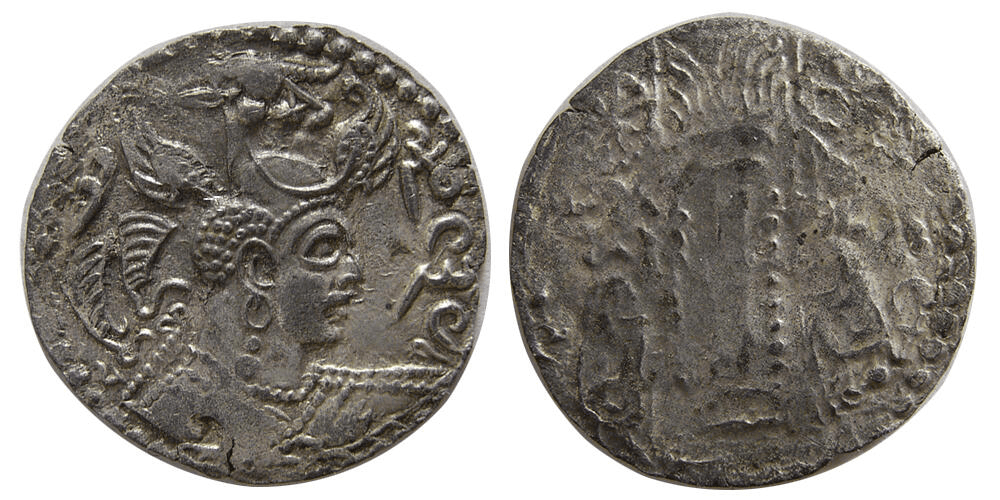
Coin of the Persis king, Darev II, showing on the obverse the bearded king with a high cap, decorated with a crescent, looking left in profile. In the reverse, there is an attendant holding a club/stick, facing a fire altar to the left. The scene is surrounded by an inscription of the name of the king on early Pahlavi/lapidary Aramaic script
Silver coin of Darev II of Persis

But what is crucial, in fact, is that for the Sasanians, that Myth ‘n’ Epic narrative was as real as the Achaemenids were for the Europeans. If Cyrus is mentioned in the Bible, well, Kavi Wishtaspa/Kay Gushtasp is mentioned in the Avesta (Touraj Daryaee. “The Construction of the Past in Late Antique Persia.” 2006)! For the Arabic and Persian writing historians of the medieval and early modern period, who continued this history and in fact wrote about the Sasanians themselves, the Pishdadids and the Kayanids were as real as the Sasanians. For them, there was no geographical determinism: Sasanians ruled in Asuresran/ al-Iraq, claimed rule over Ērānšahr (never “Persia” which does not appear in any Iranian sources except, in form of Fars, to refer to the region), and considered their rule to be the patrimony of the Kayanids, who ruled from Balkh, by the banks of the Oxus, in what is now northern Afghanistan. For medieval and early modern historians of the Iranian world, up to the 19th century and the encounter with the European historiography, the East, Khurasan, and the city of Balkh, the holy city where Zarathushtra preached and was slain, was the centre. This was where the Pishdadids and the Kayanids had ruled, fought off their Turanian enemies beyond the Oxus, and spread the words of Zarathushtra. Balkh was also were Wahman/Bahman, the grandson of Kay Wishtasp/Gushtasp, had ruled, and it was as the King of Iran that he had sent Khurush/Kurush/Kyrush/Cyrus, the governor of Chaldea, according to al-Biruni, to oust Bukht Nasr (Nebuchadnezzar) from Babylon and set the Jews and others free…

So, to conclude, I like to reiterate my points: that expecting the Sasanian origin from Persis/Pars to be a connection to an Achaemenid imperial memory, any more than to an Elamite one, is logically nonsensical and does not, as the saying goes, hold much water. Secondly, expecting the Iranian historiography to care about the same history that the Graeco-Roman historians, and their early modern European interlocutors, cared about is also, not to mince words, Eurocentric. Aside from missing the point – that history is made up of memories of a chosen past (Daryaee 2006) and is as dependent on what is forgotten as it is on what is remembered. This Eurocentric/Graeco-Roman viewpoint also works to delegitimise what is actually there: 1100 years of written history, from al-Tabari to Etemad-os-Saltaneh. We should perhaps first solve this myopia of ourselves before attempting to figure out why the Sasanians forgot who had built the Persepolis.

تاریخ یهودا

در سرزمینی چسبیده به ساحل شرقی دریای مدیترانه، حدود 3300 سال پیش، مردمی بودند که به زبانی از شاخه سامی شمال غربی صحبت می‌کردند. این مردم به سرزمینشان می‌گفتند «کنعان». کنعان در آن زمان، بین سه پادشاهی قدرتمند مصر، هیتی، و آشوری قرارگرفته بود و تحت‌تاثیر هرسه‌ قرار داشت. خدایان کنعانی ها، شباهت هایی به خدایان مصری داشتند و به خدایان اکدی و آشوری هم بی شباهت نبودند. از نظر سیاسی، کنعانی ها بیشتر جزو حواشی مصر محسوب می شدند و و حتی فرمانداران مصری به شهرهایی مانند بیبلوس، صور، و اریحا حکومت می کردند

حدود ۳۱۰۰ سال پیش، یکدفعه در کل این مناطق، یعنی از هیتی‌ها در آناتولی بگیرید تا مصر، و در بینشون البته کنعان، یک سری اتفاقات اقلیمی، اقتصادی، سیاسی، و صنعتی افتاد که بهش می‌گن «فروپاشی اواخر عصرمفرغ». دولت مصر تحت فشار زیادی قرار گرفت، دولت هیتی کاملا نابود شد، و آشور قوی‌تر شد! در ضمن به نظر میاید که گروه هایی از جزایر مدیترانه وارد منطقه جنوب کنعان، منطقه امروزه غزه و شمال ترش، شدند که در آثار بعدی، به آنها «فیلیسطین» می گفتند. این فیلیسطین ها بعدها با کنعانی ها هم می جنگیدند و هم علیه مصری ها همکاری می کردند. ولی خدایانشان با کنعانی ها متفاوت بوده.

در کنعان، به نظر میاد که این عوض شدن معادله در پادشاهی های همسایه، باعث شروع پروسه «شکل‌گیری کشورهای ثانوی» شده باشه. در شمال کنعان، شهر-کشورهایی به سبک خاورمیانه باستان، که از دوره سومری وجود داشتند بوجود آمدند که درشون، طبقه بازرگانان قدرت سیاسی اصلی رو داشتند و جوری «جمهوری بازرگانان» بودند. در جنوب اما احتمالا تحت فشار مصر، که حالا سعی در کنترل کنعان داشته و می‌خواسته جلوی آشور رو بگیره، سیستم جدیدی بوجود میاد. ما از از این سیستم عملا تا حدود ۲۹۰۰ سال پیش، خبر درستی نداریم، هرچند که جسته و گریخته در مدارک آشوری و مصری از منطقه خبر داریم و می‌دونیم درحال کشمکش سیاسی است.

حدود ۲۹۰۰ سال پیش، در حالی که کنعانی‌های شمالی‌ (که حالا ما برمبنای مدارک یونانی بهشون می‌گیم فینیقی) شروع کرده بودند به تجارت در کل مدیترانه و پایه‌گذاری مهاجرنشین‌هایی در سراسر منطقه، کنعانی‌های جنوبی شروع می‌کنند به شکل دادن پادشاهی‌های گوچکی که در مدارک آشوری و کتیبه‌های محلی، با اسامی «آرام-دمشق»، «یهودا»، «عمون»، «اسرائیل»، «موآب» و «ادوم» شناخته می‌شوند. مانند کنعانیان شمالی، همه این پادشاهی‌ها به گروهی از خدایان که بخشی از پانتئون خدایان سامی هستند، اعتقاد داشتند و در هر شهری، معبدی مخصوص خدای آن شهر وجود داشت.

طبیعتاً، اختلافات و برخوردهایی بین این پادشاهی‌ها وجود داشت. اما این اختلافات، سبب اختلال در تجارت بین آشور و مصر می‌شد. به همین دلیل ۲۷۲۶ سال پیش، سناخریب امپراتور آشور به اسرائیل حمله کرد و با تخریب چندشهر، به پادشاهی‌اش پایان بخشید. این به نظر میاید تا حدی بخاطر نفوذ زیاد مصر در اسرائیل بوده.

از بین رفتن اسرائیل، باعث قدرت گرفتن ادوم و یهودا شد که توانستند تا حدی تجارت بین مصر و آشور را تحت کنترل بگیرند. شهر کنعانی عکرا هم که جزوی از تجارت فینیقی، ولی بخشی از پادشاهی اسرائیل بود، به دست یهودا، البته تحت لوا و قدرت آشور، افتاد. این در ضمن باعث شد که یهودا، خود را وارث اسرائیل و پادشاهی اش بداند. احتمالا تعداد زیادی مهاجر از اسرائیل به یهودا مهاجرت کرده بودند و در شکل گیری چنین خاطره ای نقش داشتند.

اما در این بین، خود امپراتوری آشور، ۲۶۳۷ سال پیش، یعنی حدود ۷۵ سال بعد از سناخریب، به دست نیروهای متحد بابلیان کلدانی و مادها، ساقط شد. در این بین، یهودا جزو مرده‌ریگ کلدانیان بود. نبوپلسر، پایه‌گذار حکومت کلدانی و پسرش نبوکدنصر دوم، هردو سعی در یکدست کردن قلمرو خود داشتند.

به همین جهت، از ۲۶۱۲ سال پیش، نبوکدنصر شروع به اردوکشی به منطقه شام کرد و یکی‌یکی، پادشاهی‌های عمون، ادوم، موآب، و در آخر یهودا را فتح کرد و پادشاهانشان را کشت و به عنوان تبعید، آن‌ها و تعداد زیادی از بزرگانشان را به بابل و منطقه میانرودان تبعید کرد. البته می‌دانیم که کمتر از پنجاه سال بعد، کورش دوم پادشاه انشان و پارس در کوهستان‌های شرق عیلام، موفق به فتح بابل و پایه گذاری شاهنشاهی هخامنشی شد و لقب کورش بزرگ را پیدا کرد. در این میان، کورش به بزرگان یهودا، و یقینا به بزرگان ادوم و مواب و عمون، اجازه بازگشت به شهرهایشان را داد.

در سال‌های بعد از این واقعه، بزرگان یهودا، با کمک جانشینان کورش، از جمله اردشیر درازدست، توانستند معبد اورشلیم، پایتخت یهودا، که نبوکدنصر تخریب کرده بود، بازسازی کنند. ضمناً، شروع به جمع‌آوری تاریخ یهودا و بقیه پادشاهی‌های محلی کردند. احتمالاً در اینجا بود که این ایده که خدای هیکل/معبد ا‌ورشلیم، تنها خدای به حق است، تثبیت شد، هرچند که ظاهراً در این مرحله، هنوز وجود خدایان دیگر را انکار نمی‌کردند. اما از اینجا به بعد، حاکمان یهودای هخامنشی، سعی در تخریب معابد خدایان دیگر و اعلام خدای اورشلیم، که از او فقط با لقب (همان خودش: یهوه) یاد می‌کردند، به عنوان تنها خدای مقدس داشتند.

در باقیمانده دولت هخامنشی و زیر حکومت اسکندر و سلوکیان، یهودایی‌های ساکن بابل و یهودا، بیشتر فرمانبردار شاهنشاه و باسیلئوس بودند. اما در زمینه ساخت یک هویّت دینی خاص و متفاوت از بقیه کنعانی‌ها، بخصوص جمع‌آوری متون شاهد بر تاریخ یهودا و نوشتن تفسیر بر این متون، پیشرفت زیادی کردند.

حدود ۲۱۹۳ سال پیش، در زمان حکومت آنتیوخوس چهارم سلوکی بر سوریه،، اختلافات بین دو گروه در یهودا بالاگرفته بود. دسته‌ای، شبیه شدن به بقیه شهروندان حکومت سلوکی را کار درستی می‌دانستند که رفاه یهودایی‌ها را تامین می‌کرد و دنباله‌روی سنت دوره هخامنشی بود. دسته‌ای دیگر اما عقیده‌داشت که یهودا باید مستقل شود تا «یهودی‌ها» در سرزمین خودشان زندگی کنند. باورهای این گروه، متاثر از تاریخ‌نگاری بزرگان یهودایی دوره هخامنشی بود که پادشاهی‌های کنعان جنوبی را بازماندگان کشوری بزرگ می‌دانستند که تحت حکومت پادشاهی افسانه ای به نام شلومون/سلیمان بوده.

در دوران حکومت آنتیوخوس چهارم، گروه اول طبیعتاً قوی‌تر بودند و حتی منسب «کاهن» بزرگ معبد اورشلیم هم متعلق به یکی از «یونانی‌مآب»ها بود. اما گروهی از دسته دوم، به رهبری شخصی به نام متی بن یوحنان، شورشی را ضد آنتیوخوس و جانشینانش راه انداختند. جدا از متی، پسرانش یهودای مکابی، یوناتان اپفوس، و شمعون تاسّی رهبران این شورش بودند. در ابتدا، شورش زیاد محبوب نبود و تعداد کمی از یهودیان هم از آن طرفداری می‌کردند. موفقیت‌های شورشیان کم بود و چند جنگ کوچک به رهبری مکابی، تنها جنبه سمبلیک داشتند (از جمله محاصره معبد اورشلیم که بهانه جشن حنوکا است). رهبری مکابی (یهودای پتک!) بسیار در این جنگ محبوب بود و او در واقع قهرمان و شهید این جنگ ها به حساب می رفت. دو کتابی که در مورد این جنگ ها بعدا به یونانی نوشته شد هم به نام یهودا، کتاب «مکابیان 1» و «مکابیان 2» نامگذاری شدند.

اما بعد از مرگ یهودای مکابی، برادرانش یوناتان و شمعون، توانستند بخش‌های بیشتری از یهودا را از دست سلوکیان بگیرند. در این میان، اختلافات داخلی سلوکیان، بخصوص به سلطنت رسیدن دمتریوس یکم، توجه آن‌ها را از یهودا بریده بود. قرارداد صلح، شهرهای اورشلیم و اریحا را تحت امر شمعون گذاشت!

متی و پسرانش، همه ادعا می‌کردند که «کاهن بزرگ» معبد اورشلیم هستند. اما تنها پسر سوم شمعون، یوحنان هیرکانی، بود که در زمان سلطنتش واقعا وظایف کاهن بزرگ را انجام می‌داد. یوحنان و جانشینانش، سلسله «حشمونیان»، توانستند بخش‌های بزرگی از یهودا، اسرائیل (سمریه). گلیله، و حتی ادوم و امون، را به اختیار خود درآورند. همین موفقیت در کنترل سرزمین «سلیمانی» بود که ضمناً آن‌ها را به صرافت جدی گرفتن تاریخ‌نگاری دانشمندان یهودا در دوره‌های قبل انداخت. جمع‌آوری متون تاریخی-آیینی (توراه)، قانونی (نوئیم) و تفسیرها (کتوویم) منجر به ساخته شدن «تنخ» یا کتاب مقدس شد.

جالب است که بخشی از دستاورد این جمع‌آوری، شکل‌گیری روایتی بود که منصب کاهن اعظم را ملک مطلق بازماندگان برادر موسی، هارون، می‌کرد. نکته اینجا بود که حشمونی‌ها، خودشان «هارونی» نبودند!

حکومت حشمونیان، بازماندگان یوحنان هیرکانی، حدود ۲۰۷۰ سال پیش مقهور قدرت رو به گسترش روم شد. رومی‌ها با شکست دادن سلوکیان و بطلمیوسی‌های مصر، عملاً مدیترانه شرقی را تحت کنترل داشتند. حشمونیان که همیشه با اشکانیان رابطه نزدیکی داشتند، عملاً برای رومی‌ها مزاحمت بزرگی ایجاد می‌کردند

یوحنان هیرکانی دوم (نتیجه اول) و پسرش، عملاً دستنشاندگان روم بودند و تنها لقب «کاهن بزرگ» را یدک می‌کشیدند. متی، معروف به انتیگونوس، نوه یوحنان هیرکانی دوم، توانست برای سه سال با کمک اشکانیان، به اورشلیم حکومت کند. اما در آخر، تخت سلطنت را به دشمنش، هرود، پسر انتیپاتر واگذار کرد.

هرود، معروف به هرود کبیر، نیمه ادومی و نیمه عرب بود. پدرش انتیپاتر ادومی، از بزرگان دربار یوحنان هیرکانی دوم بود که بعد از سقوط حشمونیان، به رومی‌ها پیوسته بود. هرود و جانشینانش، عملاً فرمانداران یهودا بودند و از خود قدرتی نداشتند. سلطنت هرود و جانشینانش به عنوان فرمانداران رومی، طبیعتاً همون‌قدر به یهودی‌ها، که حالا ۱۰۰ سال استقلال رو هم تجربه کرده‌بودند، خوش نمی‌آمد که سلطنت سلوکی‌ها. پس قاعدتاً می‌شه انتظار داشت که منابع، به شورش‌های متعددی اشاره کنند.

و طبیعتاً هم می‌کنند! منابعی مانند «تاریخ جنگ‌های یهود» نوشته یوسیفوس، به تعداد زیادی شورش علیه هرود و روحانیون فریسی (طرفداران دربار) اشاره می‌کنند. بیشتر این شورش‌ها به کمک روم سرکوب شدند، مانند شورش عیسی ناصری که بالای صلیبش، نوشته بودند «عیسی ناصری، پادشاه یهودیان»!

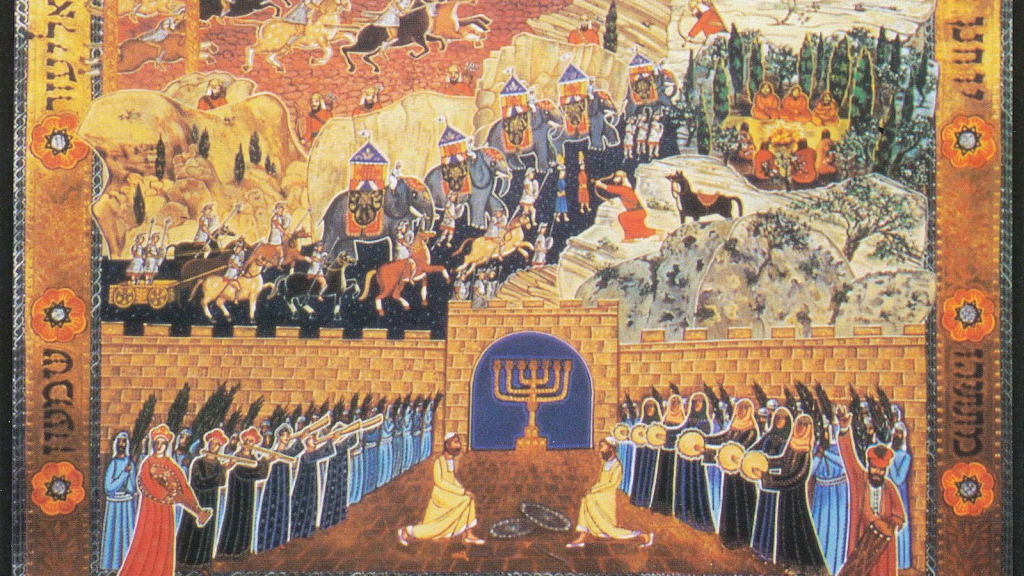
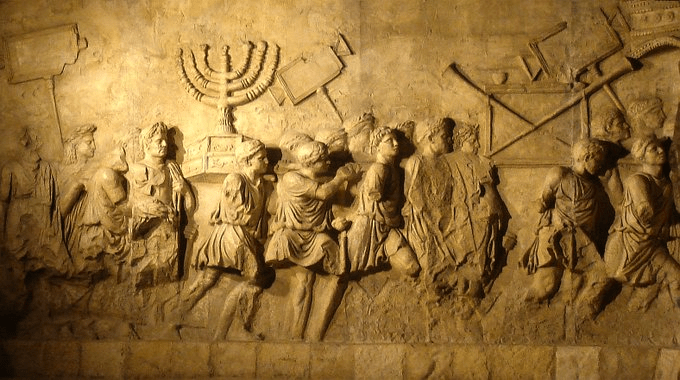
این شورش‌ها در زمان جانشینان هرود بالا گرفتند تا در سال ۷۰ میلادی، تیتوس، پسر امپراتور روم وسپاسیان، به یهودا حمله کرد، هیکل (معبد) دوم رو تخریب کرد و اموالش را به غارت برد، روحانیون (از جمله کاهن اعظم) را کشت و یهودا رو به عنوان «پلستینا/فلسطین» مستقیماً ضمیمه امپراتوری روم کرد.

تخریب هیکل دوم، ضربه مهلکی بود. مرکز آئینی، و قدرت سیاسی یهودا از دوران مکابی و حشمونیان، تخریب شده بود. دیگر کاهن اعظمی وجود نداشت و معنی یهودایی/یهودی احتیاج به بازتعریف داشت. پیروان عیسی ناصری سریع حساب خود را جدا کردند ، عیسی را «مسیح» دانستند و به «پادشاهی آینده» چشم دوختند.


بخش بزرگی از جامعه اما دست از تلاش نکشید. شورش‌های دیگری، هرچند ضعیف، شکل گرفتند. بزرگترینشان اما در میانه قرن دوم میلادی بود: شورش بزرگ شمعون بار کخبا، مردی که در سر، خودش را یهودای مکابی دومی می‌دید، و در ضمن، ادعای مسیح بودن و منجی‌گری هم داشت. این شورشی پرطرفدار بود.

بارکخبا و طرفدارانش در مدت نسبتاً کوتاهی توانستند به بخش قابل توجهی از یهودا و ادومیه دست پیدا کند. اما متاسفانه، هادریان حتی از تیتوس هم بی‌رحم‌تر بود. لشکر بزرگی به بارکخبا حمله کرد و ده‌ها هزار از طرفدارانش را کشت. اورشلیم با خاک یکسان شد و یهودیان از ورود به آن منع شدند.

این پایان بی‌شکّ «یهودیت هیکل دوم» بود. جامعه یهودی پراکنده، اول سعی در بازشکل‌گیری در جلیله کرد، اما تعداد مهاجران به عراق و به روم زیاد بود. از طرفی، بدون هیکل و بدون کاهن، یهودیت باید معنی جدیدی پیدا می‌کرد. دنیای حشمونیان و پادشاهی یهودیه تمام شده بود و هیکل، دیگر مرکز نبود.

در نبود هیکل، «تنخ» تبدیل شد به بخش مهمی از شخصیت جامعه یهودی. اما فهم تنخ سخت بود. عالمان یهودی، که حالا از شرّ قدرت کاهن اعظم هم راحت شده بودند، شروع کردند به توضیح و تفسیر تنخ و این که چطور باید از تاریخش درس گرفت و از احکامش استفاده کرد. این نوشته‌ها مجموعه‌ای شد بنام «میدرش» که از همان ریشه «درس«» است

این عالمان، که احتراما «ربّی» (ارباب، آقا) خوانده می‌شدند، در واقع پایه‌های یهودیت بدون هیکل را گذاشتند، یهودیتی که امروزه به نام آن‌ها، «یهودیت ربّانی» خوانده می‌شود. این جامعه گسترده یهودی، بجز در فلسطین رومی، در عراق زیر حکومت ساسانیان هم حضور برجسته‌ای داشت.

و البته از صحبت بین این دوگروه عراقی و فلسطینی ‌استکه تفسیرهای معظمی به نام تلمود روی تنخ و برمبنای آموزه‌های میدرش، در عرض حدود ۴۰۰ سال، جمع‌آوری شد و در دونسخه، یکی مفصل تر به نام بابلی و دیگری به اسم اورشلیمی یا فلسطینی، تهیه شد که در واقع پایه‌های قانونی جامعه یهوذی امروز است.

خاطره هیکل دوم و پادشاهی تک خدایی اما باقی ماند. در سعی در به‌حق بودن این خاطره، نوشته‌های تاریخی یهودایی‌ها/یهودی‌ها حتی پادشاهی عصرآهن اسرائیل را، که به نظر میاید بیشتر فینیقی بوده تا یهودایی، نیز بخشی از دنیای یهودایی قلمداد می‌کرد. اهمیت این خاطره چنان بود که حتی مسلمانان هم اول رو به هیکل دوم نماز می‌خواندند، و به محض دستیابی به یهودا، «هیکل سوم» را روی خرابه‌های هیکل دوم ساختند! کشوری که حشمونیان ساخته بودند دیگر وجود نداشت، اما خاطره‌اش در باورهای گروه زیادی از مردم، هنوز زنده است، هرچند که دیگر جز شب حنوکا، کسی حشمونیان را به یاد نمی‌آورد!


موشک و دریا

دوستی نوشته بود «از تهران فرار کردیم و آمدیم دریاکنار…» و این منو پرت کرد هم به خاطرات خوب دوران کودکی و نوجوانی، هم به خاطرات تلخ دوران موشک‌باران. موشک‌باران قبلی. ۳۷ سال پیش!

کلاس اول راهنمایی بودم که موشک‌باران‌ها شروع شد. کمتر از یکسال بود که برگشته بودیم ایران بعد از مدتی اقامت در اروپا. قبل از امتحانات ثلث دوم، موشک‌باران عراقی‌ها شروع شد. مدرسه تعطیل شد. اسباب‌کشی کردیم به زیرزمین‌های خانه خودمان که چون از بتن‌آرمه ساخته شده بود،امن بود. کلانتری منطقه آمد برای بررسی و گفت زیرزمین ما امنه و یک علامت داد به ما که بگذاریم دم خانه وقتی آژیر قرمز می‌زنند و کسی در خیابان است، بیاید در زیرزمین ما پناه بگیرد. تجربه جالبی بود. یکی دوبار کسانی آمدند و در حال ترس از مرگ، با آدم‌های ناشناس، شناس شدیم! برای من بچه، تفریحی بود!

برای مامانم اما نه. عید که شد، گفت باروبندیل رو ببندیم و بریم دریاکنار. من و خواهرم خوشحال و شاد از عید در شمال (کم می‌رفتیم چون مامانم می‌گفت سرد است و نمور). پشت ماشین را حسب‌المعمول پر خوراکی و کتاب کردیم و رفتیم به جاده فیروزکوه. جگرخوردن همیشگی در دماوند اجرا شد و «آمل و بابل و بابلسر، کنار دریا!» و رسیدیم دریاکنار. در خانه رو که بازکردیم، بوی همیشگی نم و نا به صورتم زد. برای من بوی شمال و دریا و آزادی و ول‌گشتن بود. دویدم دراتاقم دنبال اسباب‌بازی‌هایی که سالی بکی دوبار می‌دیدمشان و لباس‌های نم گرفته و کتاب‌های بادکرده از رطوبت.

اولش خوب بود. خوش می‌گذشت. کباب ماهی اوزون برون و کولی سرخ کرده و دوچرخه سواری با دوچرخه زنگ زده‌ام در بلوار اصلی دریاکنار و کندن نی از «تپه مخفی» و ادای شمشیربازها در آوردن.

اما بعدش حال مامانم شروع کرد بد شدن. مشکل گوارشی و دلدرد و خستگی وسردرد و بی‌حوصلگی و این که دیگر ماهی نمی‌خورد! مامان من ماهی نمی‌خورد؟ مگر می‌شود؟!

بعد عید تمام شد و گفتند بروید مدرسه‌های محلی. من را گذاشتند مدرسه در بابلسر با صدها فرارکرده دیگر. بچه‌های محلی چپ‌چپ‌نگاه می‌کردند و به لهجه محلی لغز می‌خواندند. از «بچه سوسول بالاشهری» شده بودیم «جنگزده»! یکروز رفتم و روز بعدش خودم را در اتاقم قفل کردم که نبرندم! گفتم خودم درس می‌خوانم و بابام فارسی و ریاضی کمکم کند و مامانم زبان انگلیسی و علوم! میترا گفت من ریاضی درسش می‌دهم و اینطوری خودش هم از زیر مدرسه رفتن فرار کرد!

کم‌کم، محیط دریاکنار از شهرک تفریحی ساحلی که سالی ۱-۲ ماه حداکثر درش بودیم، تبدیل شد به محیطی کسل‌کننده. دریا نمی‌شد رفت هنوز. کاری برای کردن نبود. قر‌قر دوچرخه زنگ‌زده روی اعصاب بود. نی‌زار دیگر جالب نبود. پسر خیابان ۱۴ که اول رفیق بود، حالا شده بود اذیت‌کننده. تمام کتاب‌ها را بارها خوانده بودم. در بابلسر یک کتابفروشی هم نبود و در بابل، فقط یک کتابفروشی و نوشت‌افزاری که قرآن و نهج‌البلاغه داشت و کتاب‌های ژول‌ورن که سال‌ها قبل خوانده بودم. حال مامان هم هرروز بدتر می‌شد. دوماه و نیم دریاکنار بودیم و حالا له‌له برگشت به تهران می‌زدم.

اواسط خرداد برگشتیم تهران. گفتند مدارس تابستانه است و باید تا آخر تیر بروید مدرسه. حال مامانم بهتر شده بود اما وزن زیادی اضافه کرده بود. بخاطر نگرانی و هم بخاطر سلامتی، هرروز تا دم مدرسه با من میامد و برمی‌گشت. بالارفتن از کوچه طوسی و بعد برگشتن و بالارفتن از تپه الهیه در تابستان تهران، با روپوش و روسری! اما حالش بهتر بود…

تا آخر تیر مدرسه رفتیم و به صدام و وزیرآموزش پرورش فحش دادیم. درس نخواندیم و امتحان‌ها را نصفه و نیمه دادیم، اما معلم‌ها به همه ۱۹ و ۲۰ دادند. همه شاگرد اول شدیم، حتی آن همکلاسی که وقتی ازش پرسیدند «تو چرا اصلا میای مدرسه؟» با لودگی جواب داد: «آقا ما نمی‌یایم، می‌فرستنمون!»

وسط‌های تیر، مامانم که با بعضی مادرهای نگران دیگر دوست شده بود، به توصیه یکی‌شان رفت آزمایشگاه و یک آزمایش داد که ببیند چرا حالش اینقدر بداست و چرا اینقدر چاق شده.

نتیجه‌اش جالب بود و هیجان انگیز: اسمش میلاد است و الان ۳۶ سال‌اش است!

Ferdowsi as a local historian

The question of Shahnama of Ferdowsi as a historical text has been a persistent one since the invention of Shahnama studies as a modern discipline (arguably by Theodor Nöldeke’s monumental das iranische Nationalepos). While many insist on the importance of the person of Ferdowsi as a historian himself, the general consensus of most Shahnama scholars, particularly the Iranian ones, is that the sources of the Shahnama were in fact written and that Ferdowsi was basing his poem on a recorded and prepared text (see here for a discussion by Dick Davis, as well as the opposite views of Olga Davidson and Mahmood Omidsalar, the latter of which reflects a common take among Iranian scholars of the Shahnama).

The main concentration, of course, is on the general historical framework of the Shahnama, what I call an Orientalist-imposed tripartite the division of the Shahnama. This is basically divided alongside the dynastic divisions, with the Pishdadi dynasty from Gayumarth to Zab representing the Mythological section, the Kayanids from Kay Qubad to Daray-e Darayan representing the Epic section, and the short section on the Arsacids and the much longer section on the Sasanians being deemed Historical. This division was first proposed by Nöldeke and is almost canonical in Shahnama studies. I disagree with this division strongly, as I believe that much like the similar narratives in many other Islamic sources, for Ferdowsi himself, and his sources, all three (four?) dynasties were historical indeed. I will, however, not dwell on it much here as that would require a whole different essay.

I have suggested elsewhere that Ferdowsi’s role as a historian is really most significant when it comes to local history of East Iran/Khurasan, essentially the geographical space in which he was active. This geography also is also intertwined with the historical space that Ferdowsi occupied, namely the Samanid-Ghaznavid transition, as Ghazzal Dabiri has already pointed out. But we seem to ignore most of this local historical and geographical context because of interest in the larger “universal” history of pre-Islamic Iran which is indeed the focus of Ferdowsi.

In fact, a feature of Persian historiography as a while is this focus on geography, concentrating on local and regional history and gazing at the larger “universal” history – the Iranian National History as Ehsan Yarshater puts it – from the point of view of the local. This geographical gaze of pre-Mongol Persian historiography is not something that I have seen pointed out too often, even in works such as Julie Scott Meisami’s Persian Historiography. Despite concentration on the question of “Why Write History in Persian?”, considering the relation between Persian and power in the Samanid, Ghaznavid, and Seljuq courts, the geographical aspect seems not to be of much concern when looking for whens and whys of Persian historiography. This is probably because historiography per se is supposed to have a clear indication of political power and claim to universality.

What is thus neglected is taking note of regional historiographies, written often by anonymous authors (eg Tarikh-e Sistan) where the geographical space becomes the main actor. Apart from Tarikh-e Sistan, the Farsnama of Ibn Balkhi is an excellent example of this. But this even pre-dates writing in Persian, as the original – and now lost – Arabic versions of the History of Bukhara and the History of Qom demonstrate. One could argue that the Iranian tradition of historiography was itself largely regional and started as an expression of regional histories. I have made this argument for the case of the Sasanian section of the history of al-Tabari as well and shall expand on it later. But this can even be seen in the historical segments of Middle Persian texts.
So, I think Ferdowsi too should be seen as a local historiographer. The location of Tous, Ferdowsi’s native city, at the heart of Samanid and Ghaznavid Khurasan, makes this quite natural, although today’s political borders render it a peripheral town on the extreme north-east of Iran. As mentioned before, Ferdowsi’s information about certain local events, including the Battle of Bukhara between the Western Turk and the Hephthalite forces, is unparalleled and not repeated elsewhere. Farzin Ghaffouri’s work on the sources of the Shahnama for the reign of Khosrow I Anusheruwan also points out this local aspect.

the Iranian political powers in the 10th century (source: wikipedia)

An example of this, which might be worth mentioning, is the entire historiography of Rostam. The possible historical origins of Rostam have occupied the pages of many books and journals (see here for ADH Bivar’s famous, and quite influential, take). But Ferdowsi himself, or at least in a verse attributed to him, says that “Rostam was a hero in Sistan/I am the one who made him the hero of stories” (my loose translation). So, for Ferdowsi, Rostam was a real hero from Sistan, made into an almost mythological character in Ferdowsi’s tale. Of course, Ferdowsi did not make up Rostam, nor was the man unknown as is obvious from his mural from Panjikent hundreds of years before Ferdowsi.

Details of the Rostam mural from Panjikent (now at the State Hermitage Museum, St. Petersburg, Russia)

He also was well known in the late Sasanian period, as we can see from the name of Rostam-e Farrokhzad, the Sasanian general who commanded the Sasanian forces against the Muslim troops of Sa’ad b. abi-Waqqas at the Battle of Qadisiyya. The name is also a common one among the post-Sasanian rulers of the region of Padishkhwargar (the southern Caspian coast), including the Bavandid and Qarinvand ispahbeds of Tabarestan, as well as various Daylamite warlords.

So Ferdowsi’s statement about Rostam being a “hero in Sistan” seems to be an interesting case of history moving toward mythology. The association of Rostam with Sistan and Zawulistan obviously pre-dates Ferdowsi, as is shown, again, by the Panjikent mural. It was already pointed out by Frantz Grenet that the head of Rostam in the mural looks very much like the portrait of the Alkhan kings of S. Hindukush and Gandhara region such as Khingila. I discussed this further in the epilogue of my book and posited that this might in fact reflect the contemporary politics of the Seventh century, when the mural was produced. This means that the artist of the mural in fact associated Zabulistan with its contemporary rulers, the issuing authorities of the Alkhan-Nezak crossover coins (see Klaus Vondrovec’s volumes for a deep discussion of these), and thus modelled Rostam on these kings.

Silver drahm of king Khingila of the Alkhan
An Alkhan-Nezak Crossover coin

So, for the artist of the Panjikent mural, as well as for Ferdowsi, Rostam indeed was a Zabulistani/Sistani hero (explanation here: Sistan and Zabulistan are often juxtaposed and presumed to be the same in the Shahnama). So, Ferdowsi’s inclusion of the stories of Rostam across most of the earlier parts of the Shahnama – indeed he straddles both the so-called Mythological and Epic sections – is in fact his own historiographical contribution. This weaving of the stories of the hero of Sistan/Zabulistan (see Saghi Gazerani’s work on this, although I disagree with many of her takes) is thus a way of “localising” history by Ferdowsi. Alongside other tales such as the Western Turk vs. Hephthalites war or the story of Wahram Chobin (perhaps relying on the same local work that Bal’ami had used earlier), these accounts bring a particularly regional flavour to Ferdowsi’s historiography. This, in my opinion, renders him indeed a historian – at least as much as Bal’ami was one beside being a translator of al-Tabari – who can also be credited with authorship, although not the sort of historian that was imagined before.

اسامی شهرهای تاریخی خاورمیانه به فارسی

اخیراً چندین بار در ترجمه‌های مختلف فارسی از تحقیقات تاریخی به زبان‌های اروپایی، دیده‌ام که اسم شهرهای منطقه را به صورت انگلیسی یا مخلوطی از انگلیسی و لاتین می‌نویسند (پالمیرا، برای مثال). طبیعتاً، این شهرها اسامی‌ محلی‌ای دارند و داشته‌اند که از ریشه‌های مختلف اکدی، آرامی، فارسی، ارمنی، فینیقی، عبری، و عربی آمده و اکثراً از طریق عربی و فارسی، در زبان فارسی‌نو حفظ شده و در متون ادبی و تاریخی دوران میانه هم آمده‌اند. فهرست‌های کاملی از این‌ها را در کتاب‌های مختلف جغرافیایی نو می‌شود یافت. اما در اینجا، چون به هرحال اینترنت بیشتر و بیشتر منبع تحقیق است برای بسیاری، فهرست مختصری از اسم‌هایی که دیده‌ام بیشترین سؤتفاهم را بوجود میاورند، می‌نویسم. این فهرست را سعی می‌کنم تکمیل کنم. تکیه هم بیشتر به مناطق تاریخی هزاره اول میلادی است.

در منطقه عراق و سوریه/شام:

Nisibis: نصببین

Daras: درا

Singara: سنجار

Karkha d-bet Slok: کرکوک (کرخه بیت سلوک)

Kaskar: کسکر

Edessa: الرها

Antioch: انطاکیه

Mypherkat: میافارقین

Emesa: حمص

Carrhae : حرّان

Aleppo: حلب

Callinicum: الرقه

Palmyra: تدمر

Dura-Europos: دورا

Petra: البترا/رقمو

Amida: آمد

Al-Hira:الحیره (یا «شهرهرت»)

Hatra: حترا

Militene: ملاطیه

Marqas/Maras: مرعش

Tripolis: طرابلس

Tyre: صور

Sidon: صیدا

Acre: عکا

Tiberias: طبریه

Misikhe: شادشاپور/انبار

Paikuli: پایقلی

Arbela: اربیل

Qinnasrin: قنسرین

Caucasus/East Anatolia

Dvin: دبیل

Yerevan: ایروان

Kars: قارص

Arsamosata: ارشم‌شاد

Manzikert: ملازگرد

Trepezus/Trebizond: طرابوزان

Tigranocerta: تیگران‌کرد/دیار‌بکر

Karin/Theodosiopolis: کارین/ارزروم

Cesarea: قیصریه

Caucasian Albania: اران

Caucasian Iberia: گرجستان

Tbilisi: تفلیس

Narkala: نارقلعه

Siwnik: سیسکان

Vagharshapat: بلاشاباد

Partaw: بردعه

Lazica: لازستان

Archaeopolis: گوجی

Bathys: باطوم

Her: خوی

Cepha: حصن کیفا

Peroz and Narseh: Coins of Post-Sasanian Princes in Balkh

It is well-known that after the death of Yazdgerd III, the last Sasanian Shahanshah (king of kings) in 651, an attempt was made by his sons Peroz and Wahram to recover at least a part of his empire with the help of the Chinese.[1] These attempts, however, were not successful and finally resulted in the withdrawal of the remnants of the Sasanians royal family to the Tang’s newly built capital of Chang’an 長安, where Peroz died in 678/679. He was buried in the mausoleum of Gaozong of the Tang and an inscription naming him king of Persia 波斯王 and Commander of Persia 波斯都督 was included on a nearby pedestal. Before his death, Peroz had managed to secure the permission to build a temple for the exiled Persian community in China, although we aren’t quite sure of this was a Zoroastrian, Manichaean, or Christian temple.

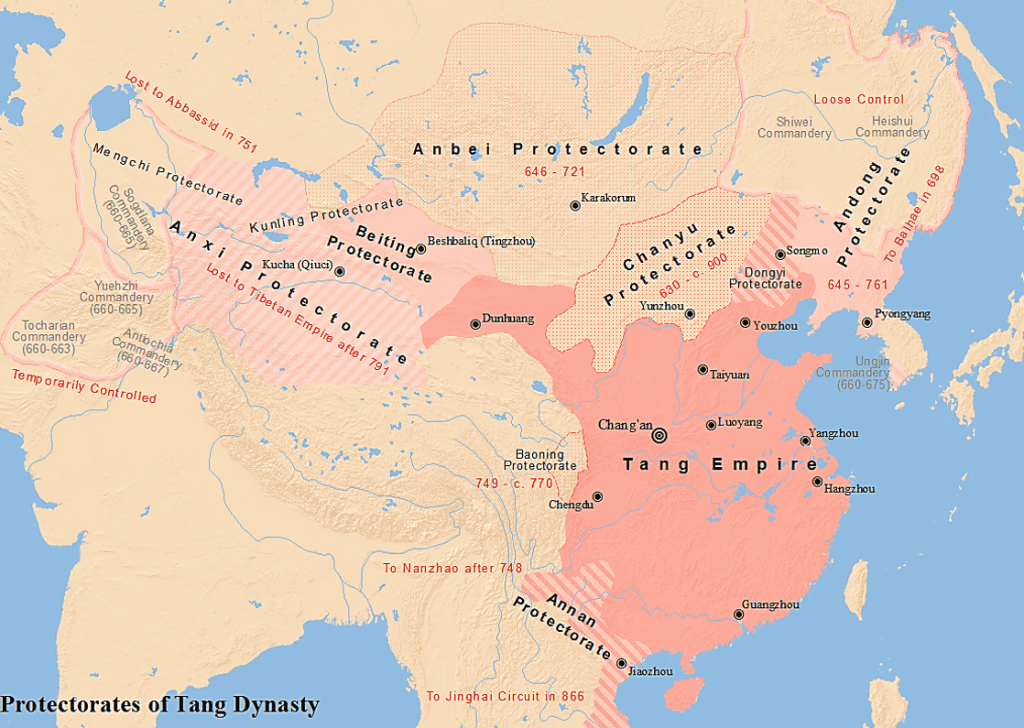
Map of the Tang Empire at the height of its power in the early 8th century
Statues at the tomb of the Gaozong emperor of the Tang

Before meeting his end, Peroz had put up a fight against the invading forces of the nascent Islamic caliphate and keep at least an illusion of ruling his father’s territories. Specifically, following Yazdgerd’s death in 651 in Marw (Merv), Peroz had set up a minor kingdom in a city that the Chinese call Jiling 疾陵, which is usually thought to be the city of Zrang/Zaranj in Sistan.[2] Considering that Sistan was not really invaded until the caliphate of Mu’awiyya (661-663), we can imagine that it was the conquest of Sistan that drove Peroz out of Sistan and to Tukharistan around 663. This would also support Daryaee’s suggestion that all of those Yazdgerd year 20 coin issues were in fact minted in Sistan, presumably in the 10 years of so when he ruled after his father there.[3]

The Conquests of early Islam

On the other hand, Peroz’s appearance in Chang’an happens between 673 and 674[4], meaning that he had spent the previous decade or more in the west. Based on Chinese sources (which might very well be exaggerations), he ruled in Tukharistan, under Chinese auspices, trying to recover his kingdom. Presumably, it is after his arrival in Chang’an that his son, Narseh 涅涅师, was raised to the throne in his stead by the Chinese general in Tukharistan. But Narseh too, after a 20 year struggle, could not recover any territories and returned to China in 708-709 and died in Chang’an. Now, apart from the year 20 issues of Yazdgerd III that we can assume were continually re-issued by Peroz, we have very little evidence of coins from either Peroz or Narseh, while we can only assume that some should have existed as coinage was firmly established in this region both as a sign of authority and for means of circulation. However, no certain coins can be attributed to either authorities, leaving us puzzled.

If we don’t consider the claims of Tang chroniclers as pure fabrication, we should then look at the selection of coins that we do have and consider that they might in fact contain some coins that can be attributed to either Peroz or Narseh, or both. Somehow, these coins have escaped the attention of the scholars somehow, mainly in any clear indication of the name of either authority. The issue is that the inscriptions on the coins of East Iran are written in a maddening variety of scripts, ranging from cursive Bactrian to Pahlavi, Brahmi, and Arabic. A few coins have clearly legible inscriptions, and given the frustrating ambiguities of both the Pahlavi and the Bactrian scripts, all sorts of readings can be proposed. To make things even more complicated, the coins in the region were often issued based on established prototypes, thus coins of the previous authorities – many of them originally based in Sasanian issues of the fourth and fifth centuries. So, it is not too much of a surprise if a coin does not immediately jump out or can be attributed to an authority otherwise known from the pages of standard historical narratives.[5]

The available array of coins from the Hindukush region in the post-Sasanian period is quite bewildering, with many local authorities issuing silver and copper/bronze coins. Many of these coins, for example those of the iltäbär, or Zhulad Gozgan belong to authorities whom we know from historical sources. Others, such as Tegin Khurasan Shah and his son Phrom Kesar, are mainly known from their coins but are entering the gaze of history through discovery of newer sources such as inscriptions.[6] Others such as “Spur Martan Shah,” or “Sero” or “the Bactrian Yabghu” are completely unknown and still waiting identification. So, I would like to venture into a group of these, namely the last named Yabghu, to find some coins that might be connected to Peroz and his son Narseh, the last claimants to the Sasanian throne in the East.

Silver drachm of Zhu(n)lad Gozgan, “Garigo Shaho”

The Yabghu of Balkh/Bactrians

The ultimate source, in English, for the coins that I like to consider here is the monumental two volumes produced by the Austrian numismatist, Klaus Vondrovec, who I can also call a friend and a mentor.[7] In these volumes, Klaus has done a magnificent job of studying the coins from east Iran from the end of the Kushano-Sasanian period to the complete control of the area by the Muslims in the eighth century. His meticulousness has rendered a wonderful resource, detailing typologies, iconographies, and inscriptions of each coin, and providing his own innovative groupings and analysis, mainly based on the previous work by Robert Göbl, but furthering the study of these coins manifold.

Section 9 of Klaus’ work is devoted to the coins produced under the suzerainty of the Western Turk (Gök Türk) Empire, originally founded on the second half of the sixth century and continuing until the late 7th/early 8th century when it was destroyed and temporarily merged into the Tang Empire of China. It was in fact the Chinese advances westwards to destroy the Western Turk that brought them into contact with the Islamic caliphate, resulting in the cataclysmic Battle of Talas that checked both the western ambitions of the Chinese and the eastern expansion of the Caliphate.[8]

The late Sasanian and the Western Turk empires

The early coins of this period are the continuation of what Klaus, following a suggestion by Göbl, has called the “Alkhan-Nezak Crossover” series. These are the coins of the period before the Western Turk take over of the Hindu-Kush region and show elements of both the Nezak Shah group (rulers of Kabulistan and Zabulistan), as well as those of the Alkhan group (a group of “Iranian Huns” who had gone over to conquer northern India in the fifth and sixth centuries).[9] By Klaus’ estimation, a part of the Alkhans had returned to the region of Kabul and Zabul and somehow integrated into the Nezak Shahs, and merging their distinctive coinage style with that of the Nezak Shahs, establishing their own Alkhan-Nezak Crossover group.

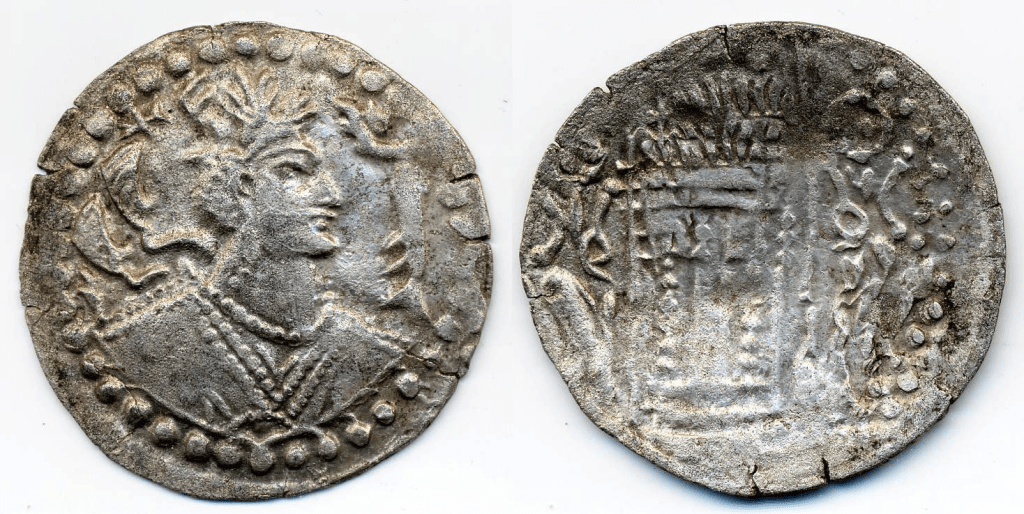
Silber drahm of an Alkhan king
A coin of Nezak Shah
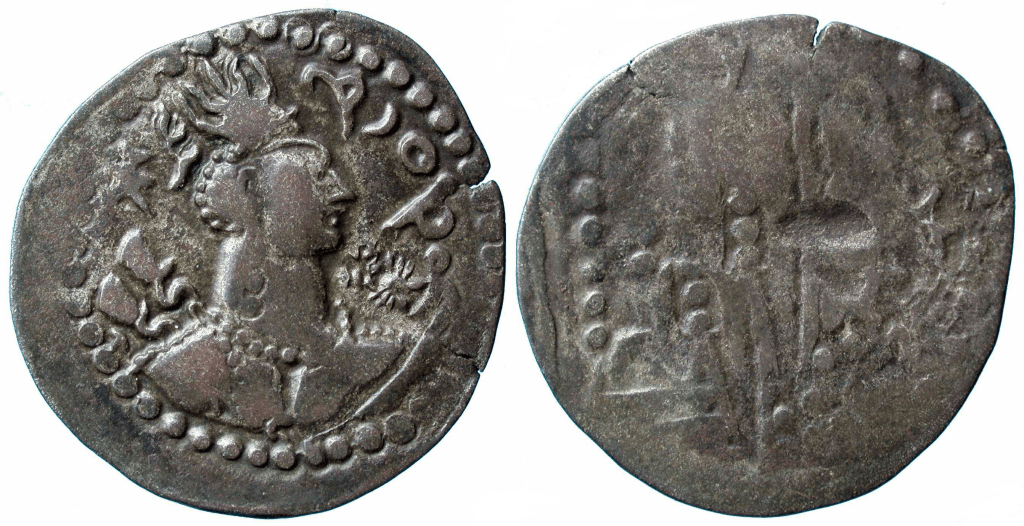
An Alkhan-Nezak Crossover coin

The first authority that Klaus Vondrovec assigns to the Western Turk period is an authority on whose coins inscriptions in Bactria and Brahmi render his name as Sri Shahi (a mix of Indian and Iranian titles: “the Perfect/respected King”). This is respectively written as σριο þαυιο (with spurious Bactrian final -o) in Bactrian and as śrī ṣāhi in Brahmi on two different sets of coins which share the same iconography and typology. On the Nezak and Alkhan-Nezak Cross over coins, the name of the authority, Nezak Shah, was written in the Pahlavi script as nycky’ MLK’.[10] But in these coins, the Sri Shahi inscription has replaced the Pahlavi legend. The dual languages, one showing influences from the northern slopes of the Hindukush, historical Bactria and Tukharistan, and the other from the southern side, Kabul and Gandhara, is interesting and might suggest that Sri Shahi, whoever that he was, had influence over a wide range of area on both sides of the Hindukush, possibly making him a sub-king of the Western Turk, or an independent ruler – if the second half of the seventh century date that Vondrovec gives him is correct.

Coin of Sri Shahi

Another type of coin that Vondrovec mentions bears a Pahlavi legend on it that reads ybgw bhlk’n, so the Yabghu of Bactrians/Balkh.[11] This title would indicate the authority of the issuer in Balkh and Tukharistan, to the north of the Hindukush. However, Klaus reads a reverse legend on the coins as z’wlst(’n) and speculates that these coins might gave been issued in the area of Zabulistan, to the south of the Hindukush. There is an analogy that is suggested here in comparison with the coins of another authority called “Pangul” (who I have suggested is the same person as Amir Banji mentioned by Minhaj Seraj) who seems to call himself both a ruler in Balkh, while issuing coins with the mint signature of Rakhvad (al-Rukhaj) in the area of modern Lashkar Gah in Afghanistan. I am not sure if this can be entertained though, and have a really hard time reading the inscription there as z’wlst the way Vondrovec does. But aside from the mint, the iconography of two of the coin types is interesting and worth looking into.

Specifically, these are Klaus’ types 265 and 266, both showing a beardless man (Vondrovec p. 528). Klaus suggests that these might be a reference to the teenage Ardashir III who ruled the Sasanian empire for a bit more than a year in 628-629/630 and whose coins show a beardless man. But I don’t quite understand why Ardashir III coins should be reissued, with a whole new iconography added, after his death and much later, in the area of Balkh, where he never held any authority. The beardless bust showing an immature person though, that I understand and support!

Yabghu of Balkh, type 265, possible authority Narseh (Pahl. nrsyh’)… the mint name reads hlbwc (corrupted for Rakhwad?) year 10?

So, who could this beardless man be? My suggestion here is that this is Narseh, the son of Peroz, who has been left in charge of the Tang Command of Persia after his father’s move to Chang’an. We have no idea of Peroz’ age. Presumably his father, Yazdgerd III, was a teenager himself when he was installed in the throne in 632. We might assume that Peroz was born after this, say 635 to have a round number, and when he died in 678/79, he was about 43-44, a respectable age to die in the 7th century, although quite early. Narseh could have been born quite early and be in his early to mid-twenties, or if we assume a later birth (say while his father was “securely” ruling in Sistan in the 650’s and early 660’s), he would be a teenager indeed. So, the young bust for him would be quite appropriate.

The two types that show the beardless man bear a very elaborate crown. This crown carries the wings on the crown of Yazdgerd III, the father of Peroz, but also has a buffalo’s head on top of an elongated “pedestal”. These buffalo heads were first introduced by the Nēzak Shahs and seem to be their invention, so their appearance on these coins say something about the “local” nature of these issues. While they are very Sasanian in style and bear a Pahlavi legend, they also add a local flavour (and thus authority and circulation) by adding a local piece of iconography. The single border reverse also means that these coins are pre-687 (the shared terminus post quem by which Vondrovec dates the relative date of the later coins) and belong to a period before the introduction of Arab-Sasanian coin types to this region. On some of these issues, I read the legends n(?)rsyh’ in Pahlavi, a name that could clearly point to the identity of the authority as Narseh, the son of Peroz.

A related type, 265A, using the same iconography but showing an older, bearded man, in silver and copper drachms. In addition to being bearded, the bust on the reverse is also wearing a crown with a crescent and a star in the front, something that had become associated with the outside margins on the coins of Khosrow II where they appear in four cardinal points. In front of the bust on some of the coins, a Pahlavi inscription can be read, an I provisionally and with much uncertainty propose the reading of kd(y) bwhl(‘)n for it, possibly to be read as Kay Wahram, although the spelling would be significantly different than the normal spelling of Wahram as wlhl’n, so I have great reservations about it. as One thing that unites all these coins, aside from the iconography, is the presence of “tamga S 61”, a sign consisting of a half circle with another sign, resembling an open V with wings. These tamgas appear in the same places that a crescent and a star would appear on the coins of Khosrow II, on the outside margins of the obverse, except one example of it occurring on the reverse as well of the type 265A, variant 3. Coins of type 265A also carry a mint year of 15, although it is not specified based on which calendar. The coins also mainly carry the mint name of LHW, localising them in Rakhwad/Al-Rukhaj, in Sistan. We can only assume that this is a reference to the regnal year of the authority it depicts. I would attribute this related type as either issued by Narseh himself when he was older, or possibly belonging to Peroz, or his brother Wahram?, issued before he had to leave for China.

Yabghu of Balkh, type 265A, possibly with Pahl. kd(y) bwhl(‘)n (Kay Wahram?) on the reverse, mint LHW(d)? (Rakhwad/al-Rukhkhaj?)

The question remains as why the names of the authorities cannot be found on the coin. In my opinion, there are two answers to be given here. One is that these Yabghus, bearing a title that we known from the Hephthalite period onwards, were actually governors of Peroz and Narseh, ruling over some of the dudufus 都督府 of the Tang Persian (Anxi) Protectorate 安西都護府, and thus issuing coins using their title and the position. Alternatively, these are Peroz and Narseh themselves, but that living under Tang suzerainty, they only mention their position as Yabghus of Balkh, on their coins. However, the extension of their power to the southern Hindukush, observed from the spread of the coinage circulation to Zabulistan – much like Sri Shahi – is an indication of their wider influence beyond Balkh, perhaps even expressing their claim to Sistan, from which Peroz had escaped to Balkh.

The administrative divisions of the Tang Empire in the west

[1] Quite a few studies of these, some with more care than others, have been published. The sources are still most easily available in Chavannes, Edouard. 1903. Documents Sur Le Toukiue (Turcs) Occidentaux. St. Petersburg: Commissionnaires de l’Académie Impériale des Sciences. Daffina’s short, but monumental work remains one of the best studies of the subject, Daffinà, Paolo. 1983. “La Persia Sassanide Secondo Le Fonti Cinesi.” Rivista Degli Studi Orientali 57: 121–70. A brief discussion of all these plus newer observations is Compareti, Matteo. 2003. “The Last Sasanians in China.” Eurasian Studies 2 (2): 197–213.

[2] Comparetti 2003, 206. However, see Hamidreza Pashazanous, Ehsan Afkande, “the Last Sasanians in Eastern Iran and China” Anabasis 5 (2014), 139-153 for an argument against this, rather putting Jiling in Tukharistan.

[3] Daryaee, Touraj. 2006. “Yazdgerd III’s Last Year: Coinage and the History of Sistan at the End of Late Antiquity.” Iranistik: Deutschsprachige Zeitschrift Fur Iranistische Studien 5 (1 & 2): 21–29.

[4] Comparetti 2003, 207

[5] For an example of this, see my article identifying certain coins from the area of western Tukharistan as belonging to characters said to be the ancestors of the Amirs of Ghur by the famous 13th century historian, Minhaj Siraj Jowzjani in his Tabaqat-e Nasseri: K. Rezakhani. 2020. “Pangul and Bunji, Zhulad and Fulad: a Note on the Genealogy of the Shanasbid Amirs of Ghur.” In Dinars and Dirhams: Festschrift in Honor of Michael L. Bates, edited by Touraj Daryaee, Judith A. Lerner, and Virginie Rey, 219–30. Irvine: Jordan Center for Persian Studies and Culture.

[6] For the newest example of this, see Nicholas Sims-Williams. 2020. “The Bactrian Inscription of Jaghori: A Preliminary Reading.” Bulletin of the Asia Institute 30.

[7] Klaus Vondrovec. 2014. Coinage of the Iranian Huns and Their Successors from Bactria to Gandhara (4th to 8th Century CE). Vienna: Verlag der Österreichischen Akademie der Wissenschaften.

[8] For a general review, see Denis Sinor. 1990. “The Establishment and Dissolution of the Türk Empire.” In The Cambridge History of Early Inner Asia, edited by Denis Sinor, I:285–316. Cambridge: Cambridge University Press.

[9] For these, see the excellent work produced by another brilliant Austrian scholar, Matthias Pfisterer, 2013. Hunnen in Indien. Vienna: Verlag der Österreichischen Akademie der Wissenschaften.

[10] The reading of this inscription, previously read as Napki Malka and long known as that, is one of the more exciting stories of ancient studies. See J. Harmatta. 1969. Late Bactrian Inscriptions, Acta Antiqua Academiae Scientiarum Hungaricae 17, 408, and Richard N. Frye, “Napki Malka and the Kushano-Sasanians,” in Near Eastern Numismatics, Iconography, Epigraphy and History: Studies in Honor of George C. Miles, ed. Dikran K. Kouymjian (Beirut, 1974), 115–22.

[11] There is some debate as how to read this, either as Bactrians or Balkh (see Vondrovec p. 527 and other places). I prefer to consider this “that of Balkh” (in analogy to Ērān) and don’t get too worried if this is a reference to the people or the land.

How I hate WordPress Gutenberg Editor!

Why do technology companies take something that is good and perfectly serviceable and make it more complicated and less user friendly, all in the name of being modern and “cool”? The wordpress classical editor was a familiar editor with everything one needed. If you had worked with any text editor, you could easily use it and it came naturally. Yes, I understand that it was not perfect for “visual” creators who might need to create “new” and “unique” layouts to do their work, but it surely was possible to ADD those features (or actually just to take away the unnecessary restrictions that prevented the creation of such layouts) while leaving the core idea of writing intact? Here, it feels like I am writing on an empty screen with no access to anything, having to go back and do anything I need, including making words bold or into italics. Worse yet, there is no way to edit the title of a post, or in my case, change the direction of it when I want to write in Persian! Why is this done? How is it that in this world of increased globalisation and cross-cultural contacts, we are going BACK to the time when everything was just for the English speaking tech-bros?

Also, wth is a featured image and why do I need it?

Barāyé: a Song of Protest and Compassion

You can now read this entry on Ajam Media Collective’s site: https://ajammc.com/2023/02/09/baraye-irans-song-of-protest/

Zimbabwe 1

I’ve been too overwhelmed by Zimbabwe to write much, although I planned to write a travelogue of it. I’ve actually been very bad in writing travelogues, as I find them essentialist, pretentious observations of a visitor about a place with which they have little familiarity. Most travelogues, particularly those about the places one visits for the first time, in fact become an exercise in reflecting one’s cultural biases on the new circumstances, or actively – and painstakingly – avoiding doing so. I am averse to comparison & value assignment & frequently find travelogues, particularly those written by the First Worlders on the “global south,” quite frustrating and cringy.

Having said all this, here is a quick recap and some observations, as non-judgemental as possible. We arrived here after a few days in South Africa. We spent those few days at a Safari lodge & didn’t spend much time in cities (we had been made afraid of Jo’burg enough!). So we used SA (ZA?) mostly as a stopover. The objective was to visit our friends who’ve recently moved for work reasons to Zimbabwe.

So from the beginning, our exposure to Zim (popular nickname, more prevalent among the White Zimbabweans) was from within a sort of bubble. Our friends are worldly, culturally sensitive, & environmentally conscious (naturally!), but still, we have been in a bubble. A USD spending, best-restaurant-in-Harare dining, pool-side wine sipping “global elite” who can afford to ignore the inconveniences of 4-hours a day electric by using generators & solar batteries. We are living the high-life. Not the highest-life though, as gigantic estates, expensive cars, luxurious golf clubs, and “it don’ matter if you’re Black or White” local elite, wearing Gucci & sucking on Dubai-inspired shisha, make it obvious.

What we’ve seen has been a mixture of the global diaspora (businessmen, Aid workers, diplos, lost souls), local elite, White Africans (some of whom fought other Whites to bring freedom & are local heroes), and odd foreigners from all around finding this a last frontier. There is a feeling that everything is possible, and it truly seems to be the case, for those who have the guts – & the stomach – for it.

But we have also “seen” – passed by, chatted, bought wooden animal carvings from – the locals. Poor, anxious, round-eyed, but extremely decent & honourable locals. The integrity of the people is humbling, and their sharp minds, and almost unbelievably quick wit too. No one begs in the bazaar (two begging boys were odd & gave up after one “no”) & the man with torn up pants & no shoes offering hand carved statues treats his work like an artist does, and expects you to do the same.

Talking & joking is quite easy. We visited the city centre (the “CBD”) once, and it looks very American. It could be a city centre of any American city in a poorer state (it reminded me of Louisville, KN), except the pothole-ful roads (which makes it more like NJ!). Driving is a bit of a challenge, although everyone is very courteous & no one speeds or gets mad. In general, the Shona people (the Bantu speaking population of the northern Zim) seem averse to getting angry: haven’t seen anyone shouting & everyone is smiling wide. Everyone speaks English, sometimes too perfectly, so no communication, comment, joke, or snark is lost. People seem remarkably content, despite all sorts of basic infrastructural problems and obvious poverty. The local money is nonexistent and dollar reigns supreme. The roadside fruits and car parts market (!) had people trading in Zimbabwean dollars (only one of the three or four real and virtual currencies), but I had to ask at the international chic supermarket to be given the return change for USD 1$ in local money (176 Z$ for which I was casually given 180…).

Enough of people perhaps, because nature is the wonder here. Harare is like a big botanical garden, from the odd South American jacaranda lined trees to Acacias and palms and banana trees (oh the bananas!) to roses and waterlilies. Come to think of it, writing about the nature requires another blog. So I will do that later. For now, wow!

CBD… Harare city centre

Sasanians and Early Byzantium: Raids, Tributes, and the Loss of Dara

In most works of modern scholarship concerned with the Sasanian-Byzantine relations in the 6th & 7th centuries, the issue of “tributes” is treated as hyperbole. Basically, claims by the Sasanians, reflected in later narratives like al-Tabari or Shahnama, that the Byzantines paid tributes to the Sasanians are dismissed as exaggerations and “about face” statements, almost the way the Chinese empires claimed to have extracted tribute from everyone! The actual instances of payment, available in abundance in Byzantine sources (Pseudo-Joshua the Stylite, Procopius, Malalas, John of Epiphania, and Menander Protector) are usually considered to be payments either for the mutual defense of both empires on the Caucasus front (the so-called Alan Gate or the Caspian Gate), or as temporary pay offs to keep Sasanians at bay. This second mode contributes to the image of the Sasanians as a predatory entity on the periphery of the Roman world, barely any more sophisticated than pirates and brigands, that needed to be “appeased” and controlled. The persistence of this attitude, often taking Byzantine sources and their use of “Barbarians” for the Sasanians at face value, also signals a certain Eurocentrism/Roman-centrism prevalent in many studies of the ancient world.

The basic assumption behind this is that the sophistication of the Roman/Byzantine administration, including their war-machine, is indisputable and beyond doubt. It is taken for granted that the Roman state undertook all its actions with an eye toward proper strategic approach. In contrast, Roman opponents, be it Germanic tribes beyond the Danube or the Sasanian Empire, were but disorganised polities only few stages removed from raiding parties, with essentially a predatory style of warfare aimed at extracting resources from the Roman state. In this way, the continued references to Roman payments, even on regular, annual basis as mentioned in accounts of Procopius, Menander, or Evagrius, are treated as temporary payments to appease the Sasanians, not regular tributes that created a particular type of relationship between the two empires. This contributes to our lack of attention to the structure of the Sasanian state and the persistent assumption of its simplicity, extending from its administration and military to its economic and social policies – the latter being treated as essentially non-existent, or at most, haphazard in nature and practice.

This is why one sometimes finds references to Roman raiding, in a demonstrably predatory manner, so fascinating. Byzantine sources naturally attempt to present these as part of a larger strategy, something that modern scholars (I don’t want to name names, but just any modern edition of a Primary source) are happy to follow and oblige. But quite often, the fact that these actions are not directed by a greater strategy and are simply actions of greedy regional actors becomes too obvious to ignore. What would then happen if we view these actions through not the view point of imperial decisions makers in Constantinople or Ctesiphon, but from the vantage point of local actors in the frontier zone?

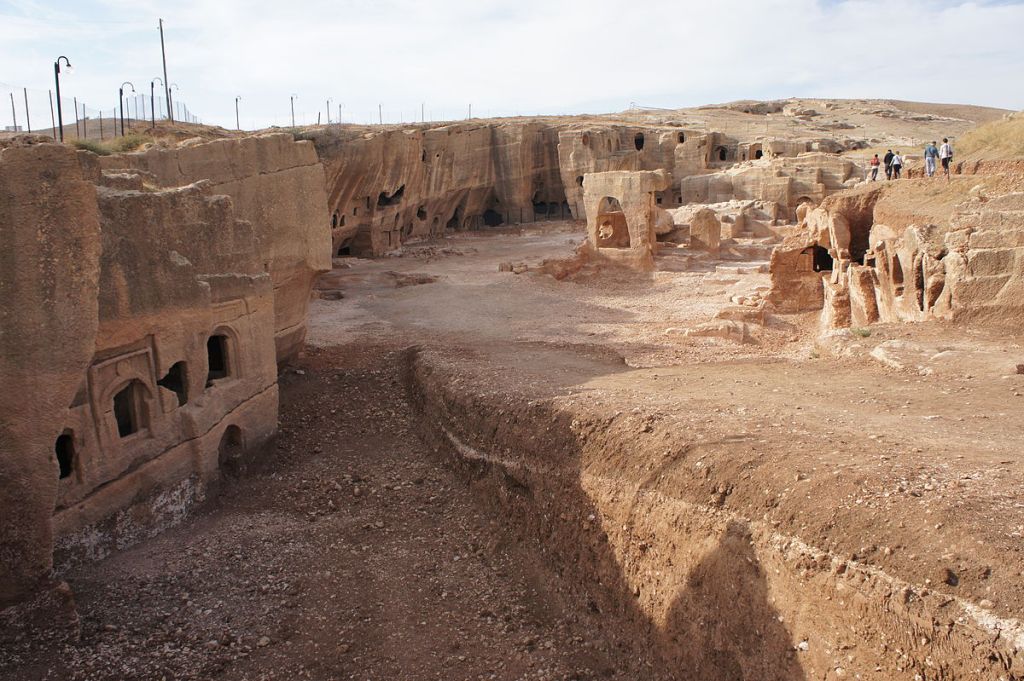
Consider the account of the Byzantine campaign of 573. The event is labelled by many Byzantine scholars as the “failure of the Byzantines to take Nisbis,” betraying an assumption that the events were centrally planned and directed and part of a larger strategy. But the event, given by all sources (Evagrius, Theophylact Simocatta, etc) is very clearly a haphazard, and ill conceived, raid! The story goes that Marcian, appointed by Justin as commander to Dara, basically attacks Nisbis willy nilly, without even having surveyed the field. Initially, his troops go out to take captives and pillage and return to Dara (Chr. 1234, 65). The attack then alarms the Marzban of Nisbis (26 km from Dara) who manages to drive the Byzantine troops back to Dara, presumably through negotiation but without any payments, which shows the former’s position vis-a-vis Marcian and Dara. The subsequent Byzantine raid against Nisibis is so badly done that “the Persians did not think it necessary to close the gates and mocked the Roman army quite disgracefully” for having worked themselves into an embarrassing situation. The result is so humiliating that Marcian is relieved of his post by Justin who sends Acacius Archelaus with an order to replace Marcian while the former is still in the enemy territory!

Of course, the entire thing ends up in a disaster. The unprovoked raid and invasion attempt seems to have annoyed Khosrow I so much that he launches a counterattack. Initially he seems to have crossed the Euphrates at Circesium and threatened Apamean (John Epiph. 4), but quickly turned his attention to Dara itself. He seems to have quite easily captured the fortress, a bone of contention between the two empires since 502, and removed it as a threat to his territories, while extracting 200 centenaria of gold. Khosrow then wonders “God will seek from you all the blood which has been shed; when you possessed all this gold, why did you not give one hundredth of it to me, and I would have left you?”! The loss of Dara of course famously drove Justin to madness and in fact ended his rule.

So, an ill advised raid, undertaken by an inexperienced general, results in the loss of an important frontier fortress for the Byzantines in 573. This loss strengthens the Sasanian position on the NW frontier and probably serves as an indication of the weakness of the Byzantine forces in the region. This is what is eventually exploited by the Sasanians in a large scale invasion of the Byzantine east in the seventh century and the loss of Anatolia, Syria, Palestine, and Egypt to the combined forces of Khosrow II.

Modern remains of Dara